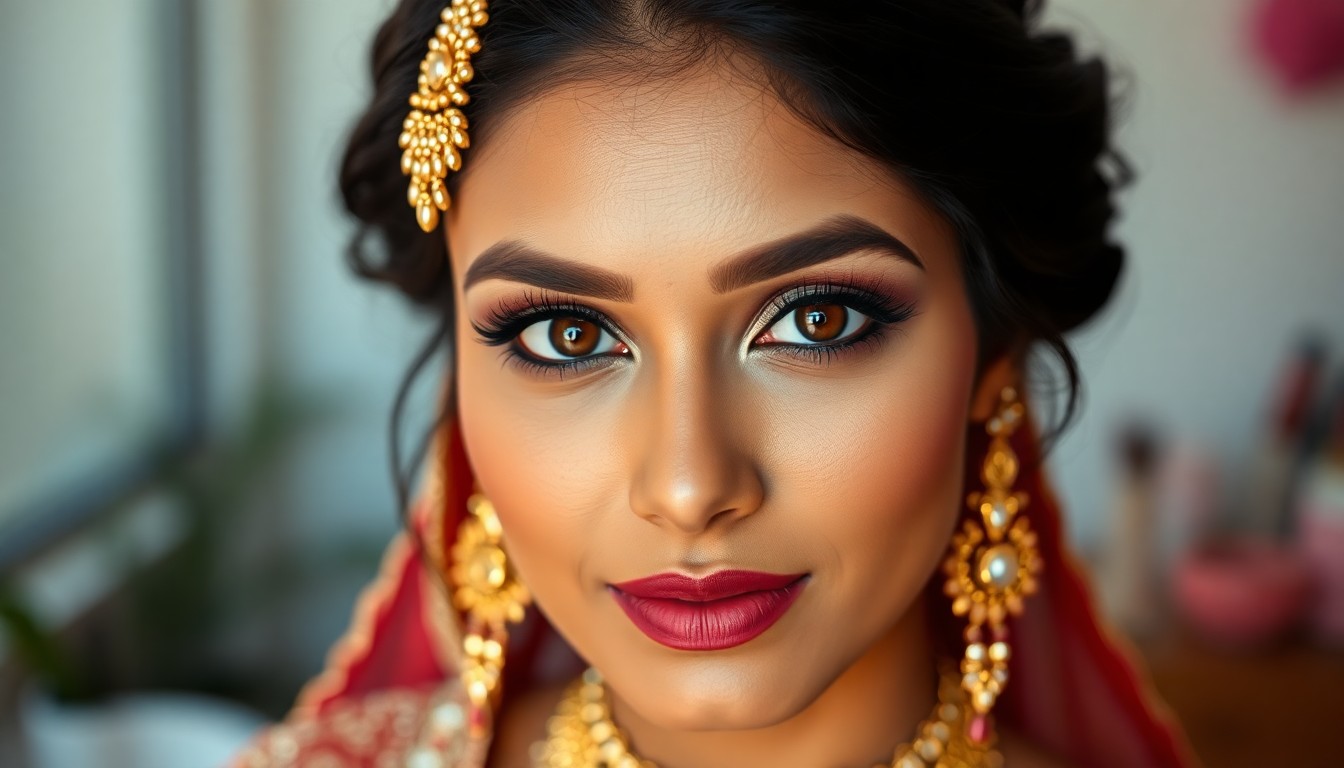
Last Updated: February 01, 2026
✨ Quick Answer from Suu:
Editorial makeup training is about learning to create captivating, imaginative looks for fashion shoots, magazines, and artistic projects – makeup that tells a story, not just enhances beauty. It’s where creativity truly blossoms and you learn to translate concepts into artistry. If you dream of pushing boundaries and seeing your work on a larger stage, my studio is a nurturing space to develop that unique artistic eye and the technical skills you need.
When I first started my journey in makeup, nearly two decades ago, I saw many artists focusing on the beautiful, the glamorous, the bridal. And while I absolutely adore the joy of a perfect bridal look, there was always a part of me drawn to something more – something conceptual, something that made you pause and think.
That’s the heart of editorial makeup. It’s not just about making someone look pretty; it’s about making a statement, crafting a mood, completing a creative vision for a photograph or a film. It’s where art truly meets technique, and it’s a space I’ve come to love deeply and feel incredibly passionate about teaching.
I know you might be sitting there, maybe a little nervous, wondering if you have what it takes to step into this creative world. Perhaps you’re brimming with ideas but aren’t sure how to translate them onto a face. Let me assure you, you’re in the right place.
My 17 years in this industry have taught me that creativity isn’t just born; it’s nurtured, it’s practiced, and it truly thrives with the right guidance. This specialized editorial makeup training isn’t just another course; it’s an invitation to explore a different facet of artistry.
It’s for those who want to broaden their horizons beyond commercial work and dive into the exciting, imaginative realm of high-fashion and conceptual beauty. My editorial makeup training aims to transform your passion into precision.
In my 17 years of doing this, I’ve noticed that many artists start with bridal or party makeup, and that’s wonderful. But often, they reach a point where they crave something more challenging, something that allows them to express their unique artistic voice. That’s precisely where editorial makeup skills become invaluable.
What most people don’t realize is that editorial makeup training opens up a world of specific opportunities. Think about working on fashion campaigns, magazine spreads, designer lookbooks, or even conceptual art projects. These are the jobs that truly build your professional reputation and allow you to collaborate with photographers, stylists, and models on creative visions.
Here’s something I tell all my students: having strong editorial skills distinguishes you. It shows versatility, creativity, and a deeper understanding of makeup artistry. It means you’re not just applying makeup; you’re conceptualizing and executing a specific artistic brief.
This often leads to more varied and higher-paying freelance work. I’ve seen students who, after gaining confidence in editorial makeup, suddenly found their portfolio speaking volumes. They were able to attract different kinds of clients, secure placements in fashion weeks, and even expand their reach through platforms like Instagram, showcasing their unique style.
It’s not just about the money, though the earning potential is definitely there when you carve out a niche; it’s about the artistic satisfaction. One of my former students, Riya, started feeling burnt out doing only traditional beauty.
After completing her editorial makeup training with me, she landed a gig assisting on a major fashion shoot in Mumbai. That experience completely reignited her passion. She now runs a successful freelance business, splitting her time between commercial projects and high-concept editorial work, constantly pushing her creative boundaries.
Developing your editorial eye means you’re not just following trends; you’re often creating them. If you’re serious about building a versatile and exciting career in the beauty industry, exploring editorial makeup training at Makeup Studio by Suu is a powerful step. It truly broadens your professional landscape.
My teaching philosophy for editorial makeup training is simple: it’s all about hands-on practice, guided experimentation, and understanding the ‘why’ behind every brushstroke. We don’t just copy looks; we dissect them, we adapt them, and we learn to create original concepts from scratch.
You’ll dive deep into advanced color theory, understanding how colors interact on camera and how to use them to evoke specific emotions or themes. We’ll explore texture play – from glossy and dewy to matte and abstract – and how different products create these effects. This is crucial for creative makeup application.
We’ll spend significant time on skin preparation for different lighting conditions, understanding how skin finish impacts a photograph. This might sound basic, but for an editorial shoot, a perfect skin canvas can make or break a look. We’ll cover everything from ultra-minimal, ‘no-makeup’ makeup looks that require immense skill, to dramatic, avant-garde styles.
What most people don’t realize is that editorial makeup often involves working with a creative brief. I’ll teach you how to interpret mood boards, collaborate effectively with photographers and stylists, and translate conceptual ideas into tangible makeup artistry. We’ll discuss how makeup interacts with styling, hair, and even the set design.
Practice on real models is non-negotiable here. It’s one thing to practice on a face chart; it’s another to work on different skin tones, facial structures, and personalities. This hands-on approach builds your confidence and problem-solving skills, preparing you for actual shoot environments. My editorial makeup training ensures you get ample practical experience.
When I started out, I made this mistake too: buying every single product recommended online. Here, we focus on understanding product versatility. You’ll work with a curated selection of professional products and tools – from high-pigment paints to innovative textures – and learn why each one is chosen for specific editorial effects, not just because it’s popular.
What makes my teaching different from YouTube tutorials? Beyond the personalized feedback and structured curriculum, it’s the mentorship. It’s the ability to ask questions in real-time, to have an experienced eye guide your hand, and to learn not just techniques, but the mindset of a professional editorial artist. My editorial makeup training provides a foundation that YouTube simply can’t provide.
I understand that stepping into specialized training like editorial makeup can feel a bit daunting, especially if you’re exploring new creative avenues. My goal is to make your journey as smooth and confidence-building as possible, starting from exactly where you are today.
We begin with foundational principles unique to editorial work: understanding light and shadow for photography, mastering various skin finishes, and exploring the psychology of color. This ensures you have a solid understanding before we venture into more complex creative applications. It’s a structured yet flexible approach to your editorial makeup training.
I believe in building confidence gradually. We’ll move from structured exercises to more open-ended creative projects, always with my guidance and gentle correction. You’ll experiment with different themes, textures, and concepts, seeing your ideas come to life and learning from every attempt.
A crucial part of our editorial makeup training is portfolio development. As you learn and create, you’ll build a strong collection of professional images of your work. We arrange professional photoshoots for your best looks, ensuring you graduate with a portfolio that truly showcases your skills and artistic range, ready to impress potential clients.
Upon successful completion of the course, you’ll receive a certification from Makeup Studio by Suu. This isn’t just a piece of paper; it signifies that you’ve undergone rigorous training, mastered key editorial techniques, and are ready to apply your skills in a professional setting. It’s a testament to your hard work and dedication.
Beyond the classroom, you become part of a supportive community. My mentorship extends beyond your course completion; I’m always here for advice, guidance, and celebrating your successes. This ongoing support system is something many of my former students cherish, as they continue to navigate their careers in the exciting world of creative makeup.
Let me be honest with you: many aspiring editorial artists come to me with similar fears. The most common one I hear is, “Am I creative enough for editorial makeup? It looks so artistic and abstract.” Another is, “Is it too late for me to start something so specialized?”
These are completely valid concerns, and I’ve seen countless students grapple with them. The real struggle often isn’t a lack of talent, but a lack of direction, confidence, or simply the right environment to explore their creative side without judgment.
Editorial makeup can seem intimidating because it’s less about following a conventional beauty standard and more about innovation. My teaching specifically addresses these anxieties. I don’t expect you to walk in as a creative genius; my job is to help you discover and refine that genius within you.
We start with structured exercises that build your understanding of artistic principles, gradually encouraging you to add your unique flair. I remember one student, Priya, who was an absolute perfectionist. She struggled to break free from traditional, ‘safe’ looks.
Through gentle encouragement and specific prompts during our editorial makeup training, I pushed her to experiment with bold colours and abstract lines. Slowly, she realized that mistakes are just opportunities for new discoveries. By the end, Priya was creating some of the most innovative and captivating looks in her batch, truly surprising herself. It was a beautiful transformation.
So, whether you’re worried about your creativity or your age, please know that my studio is a safe space to grow, experiment, and overcome those doubts. Your passion is what truly matters, and I’m here to guide it through comprehensive editorial makeup training.
Over the years, working with over 900 students, I’ve had the privilege of watching so many remarkable transformations. These stories are what truly fuel my passion for teaching editorial makeup training.
Take Rohan, for example. He worked in IT for years, feeling unfulfilled, but always dabbled in art. He came to me with zero professional makeup experience, convinced he was “too old” to start. His hands trembled when he first held a brush.
After months of dedicated editorial makeup training, he found his calling. Today, Rohan is a sought-after freelance artist, specializing in conceptual shoots for indie fashion labels in Bangalore. He often tells me he found his true self at the studio, making creative makeup his career.
Then there’s Meera. She was already a decent beauty artist but lacked the confidence to call herself an “artist.” She felt her work was good, but not unique. Editorial makeup training helped her understand composition, lighting, and storytelling through makeup.
Watching her develop her own distinct style, moving from timid attempts to bold, expressive creations, was simply beautiful. Meera now confidently approaches photographers with her portfolio, which is brimming with stunning editorial work she created here. Her confidence isn’t just in her hands; it’s in her voice and her vision. These stories, of people finding their passion and growing beyond their initial doubts, are the greatest rewards of my journey.
Looking back at my 17 years, I often think about the things I wish someone had told me early on. One of the biggest lessons, especially in editorial makeup, is that collaboration is everything. Your work never exists in a vacuum. Learning to communicate your vision clearly with photographers and stylists is as important as your brush skills.
Another thing? Don’t be afraid to make mistakes. When I started, I was so scared of not getting it “perfect.” What I learned is that often, the most interesting and innovative editorial looks came from a happy accident, a spontaneous decision, or pushing a technique further than intended. Experimentation is key in this field.
Looking ahead to 2025-2026, I’m excited about the continuous blurring of lines between beauty, art, and technology. We’re seeing more conceptual pieces, playful use of digital effects in post-production, and a strong push towards sustainable and ethical product choices. Editorial makeup artists will be at the forefront of defining these new aesthetics.
My advice for someone just starting out in editorial makeup training? Immerse yourself. Look at art, not just makeup. Go to galleries, read fashion magazines, observe nature. Find inspiration everywhere, and bring it back to your canvas. Most importantly, find a mentor who truly cares about your growth. If you’re feeling that spark, reach out to me. Let’s talk about it at makeupstudiobysuu.com/contact/.
No, not necessarily. While some basic makeup understanding is helpful, my editorial makeup training is designed to guide you from foundational concepts to advanced techniques. We build your skills step-by-step, nurturing your artistic eye regardless of your starting point. Your passion and willingness to learn are far more important in this creative field.
The duration of our editorial makeup training varies depending on the specific curriculum and your individual learning pace. We offer different modules and comprehensive programs crafted to meet diverse needs. It’s best to discuss your goals with me directly so I can recommend the perfect course structure for your aspirations in artistic makeup.
Absolutely, yes! Hands-on practice on real models is a cornerstone of our editorial makeup training. This provides invaluable experience, allowing you to practice different looks on varied skin tones and facial structures, and to build a professional portfolio with high-quality photographs of your work for conceptual makeup projects.
Upon successfully completing your editorial makeup training, you will receive a professional certification from Makeup Studio by Suu. This certificate acknowledges your dedication, the comprehensive skills you’ve acquired, and your readiness to pursue exciting opportunities in the world of fashion and artistic makeup, opening doors for your career.
Definitely. While it requires dedication and building a strong network, mastering editorial makeup opens doors to fashion magazines, advertising campaigns, and freelance artistic projects. It’s a niche that rewards creativity and unique vision. Many of my students have built thriving careers in this exciting field after their comprehensive editorial makeup training, proving it’s a viable path.
At Makeup Studio by Suu, you don’t just get a course; you get a mentor with 17 years of real-world experience. My editorial makeup training offers personalized guidance, a supportive community, and practical, hands-on experience, including professional portfolio shoots. We focus on nurturing your individual artistic voice, preparing you not just with skills, but with confidence and industry insights for your journey.
In 17 years, I’ve seen hundreds of nervous beginners transform into confident artists. The only thing standing between you and your dream is that first step. I’m here to walk with you.
Let’s Talk About Your Future →
📞 Or call me directly: +91 9590666333


© 2026 Makeup Studio By Suu All Rights Reserved.
Developed & Marketed By  Seeknext


