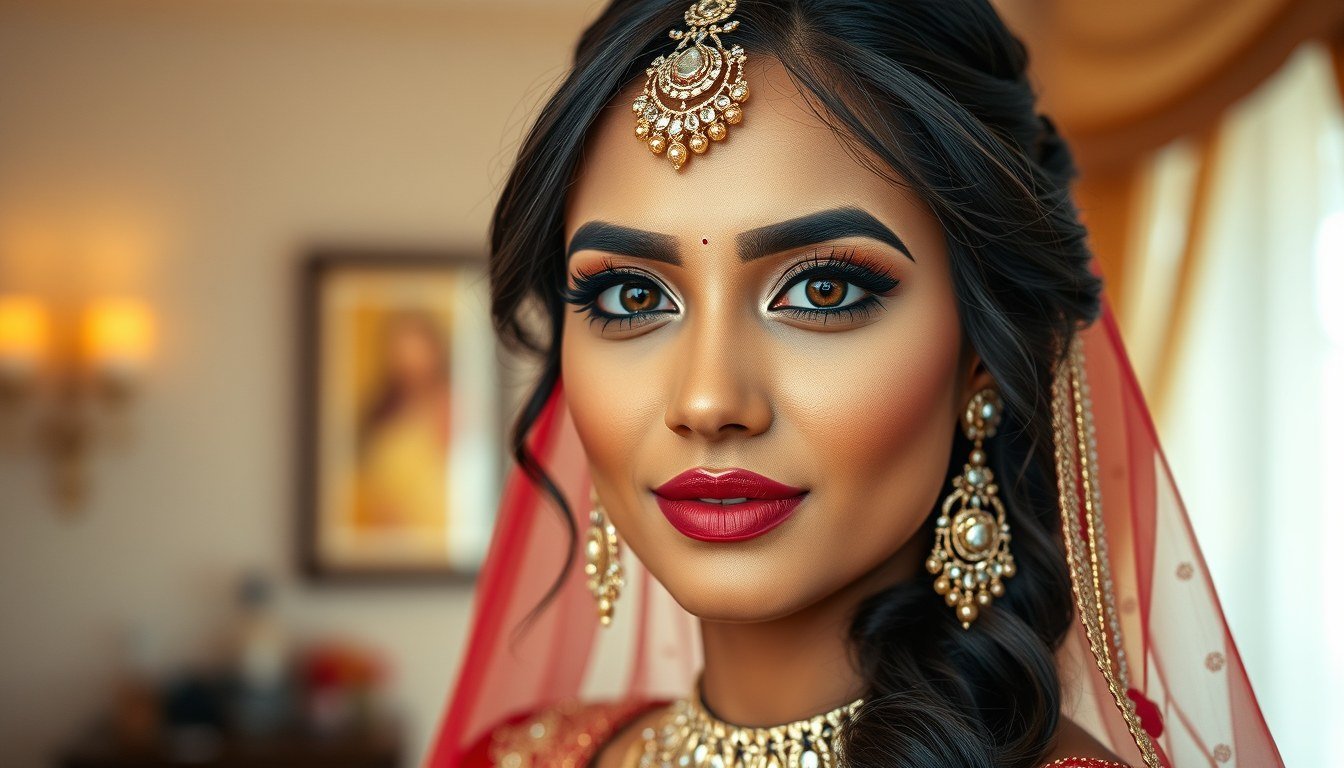
In my second year of working, I quoted a bride in Koramangala a price that I thought was generous. She booked me on the spot. No haggling, no questions. I spent the drive home convinced I had finally figured out pricing. Then I did the maths: travel, products, the trial, the early start, the assistant I paid out of my own pocket. I had made less than a day of teaching. She hadn’t negotiated because I had quoted low, and she knew a good deal when she heard one.
That was the first proper lesson. Price is not a number you pick because it feels polite. It comes out of what the work actually costs you, and what it is worth to the person in the chair.
The short version
There is no single party makeup price in bangalore. It depends on the artist, the look, the location and the date. What I can tell you is how the work is priced, why it varies so much, and what a new artist should realistically expect in year one.
Most people outside the profession think a party look is an hour of work. It rarely is. There is the enquiry, the back and forth on the look, the travel across the city, the setup, the makeup itself, the touch up kit you leave behind, and the follow up photos. A good artist prices all of that, not just the hour in front of the mirror.
When a student asks me about party makeup price in bangalore, I tell them to stop thinking about the number first. Think about what it has to cover. Honest pricing starts there. I’m biased, I run a studio, but I have watched enough students undercharge to know the pattern.
Your first ten brides are not customers. They are your portfolio, and you should price them like it. Slightly below your real rate, in exchange for good photographs and honest feedback. Not free. Free work attracts people who don’t value it, and it teaches you nothing about money.
Most people skip this, but keep a small notebook for those ten. Write down what you quoted, what you spent, and how long it took door to door. By the tenth you will see the real number, and it is usually higher than what you charged.
Half my bridal enquiries now come through WhatsApp forwards from past brides. Not Instagram. Not ads. A bride sends her cousin a photo and a number, and that is the whole marketing funnel.
This changes how you should work. One bride who feels looked after will send you three more over two years. One rushed job where you were checking the clock will cost you a whole family. The economics of this work are relationship economics. It took me years to see that clearly.
Bangalore weather is kind to makeup most of the year. Then October arrives, the rains settle into the air, and every new artist’s base starts sliding by the second hour. I have watched students blame their products when the problem was humidity and not enough setting.
The season also decides your calendar. Wedding months are full to the point of exhaustion. Other months go quiet, and the quiet is where new artists panic and drop their prices. Don’t. Save in the busy months so the quiet ones don’t make your decisions for you.
The honest answer is later than you want. I have seen students quit a stable job after three good months and then take every booking that came their way, at any price, because rent was due. That is not a career. That is a scramble.
The students who made the jump comfortably had a simple pattern. They had bookings they had to turn down. They had a repeat client base, not one lucky wedding season. And they had six months of expenses saved. Look, none of that is exciting advice. It is just what I have watched work, again and again, across the students who passed through here.
The first year is mostly practice and small jobs. Birthdays, engagements, a friend’s reception, a shoot for someone’s clothing page. The money is modest. The learning is enormous. If you treat those small jobs with the same care as a wedding, they become your references.
| Stage | What you are mostly doing | What you should focus on |
|---|---|---|
| First six months | Small jobs, practice looks, assisting | Speed and consistency |
| Six to twelve months | Repeat clients, first weddings | Photographs and feedback |
| Second year | Referrals, fuller calendar | Raising your rate slowly |
| Third year onward | Choosing your clients | Protecting your time |
The limitation nobody says out loud is that this work is physically demanding. Early muhurthams, long days standing, and travel across the city add up. If you cannot handle the hours, the money will not matter. I say that plainly because the students who last are the ones who plan for the tiredness, not the ones who ignore it.
Charge properly from the start, and let the people who think it is too much walk away. They were never your client. The ones who stay will treat you well, and they will send their friends. That is the whole engine of this work.
One bride in Whitefield changed her lip colour four times on the morning of her wedding. We went with the third one. She was right. What I learned from that day was patience, not technique. The best artists I know are patient people first.
Another morning, during a muhurtham at 4am in Malleshwaram, the power cut out mid base. I finished the eyes by phone torch. The photos were fine. You learn to work with what is in front of you. No studio course can fully prepare you for that.
Start below your eventual rate but never free. Cover your products and travel with a small margin. Raise it after every ten solid jobs. With my students, I usually see the first proper rate settle in after about a year of steady work.
No. A clean kit, good light, and a tidy mirror at home are enough. What matters is consistency. Some artists disagree, and that is fair, but I have seen students build a client base from a bedroom with a ring light.
Budget two hours when you begin. Experienced artists finish faster. Speed comes from repetition, not from rushing your first few jobs. Give yourself the time and your finish will improve.
The humidity after the rains catches new artists off guard. Use a primer suited to the skin, set properly, and carry blotting papers. The weather is otherwise kind here, which is why October surprises people.
Yes, and I think you should for a while. Weekend and evening work builds your portfolio without the pressure of rent. Leave the job when bookings force you to choose, not before.
Experience, products, travel, and demand on that date all change the number. Two artists quoting very different amounts are often not doing the same job at all. Compare the work, not just the price.
If any of this is on your mind and you want to talk it through properly, you can message me and I will answer when I am free between appointments.
Next week’s batch at the Frazer Town studio is working on base building for humid weather. October is coming, and I would rather they learn it here than on a bride’s face. We will spend the first two days on skin prep and setting, then move to eyes. I will be there, hands in, correcting grips and angles. That is how this work gets learned, slowly, one pair of hands at a time.


© 2026 Makeup Studio By Suu All Rights Reserved.
Developed & Marketed By  Seeknext


