Last Updated: July 04, 2026
✨ Quick Answer:
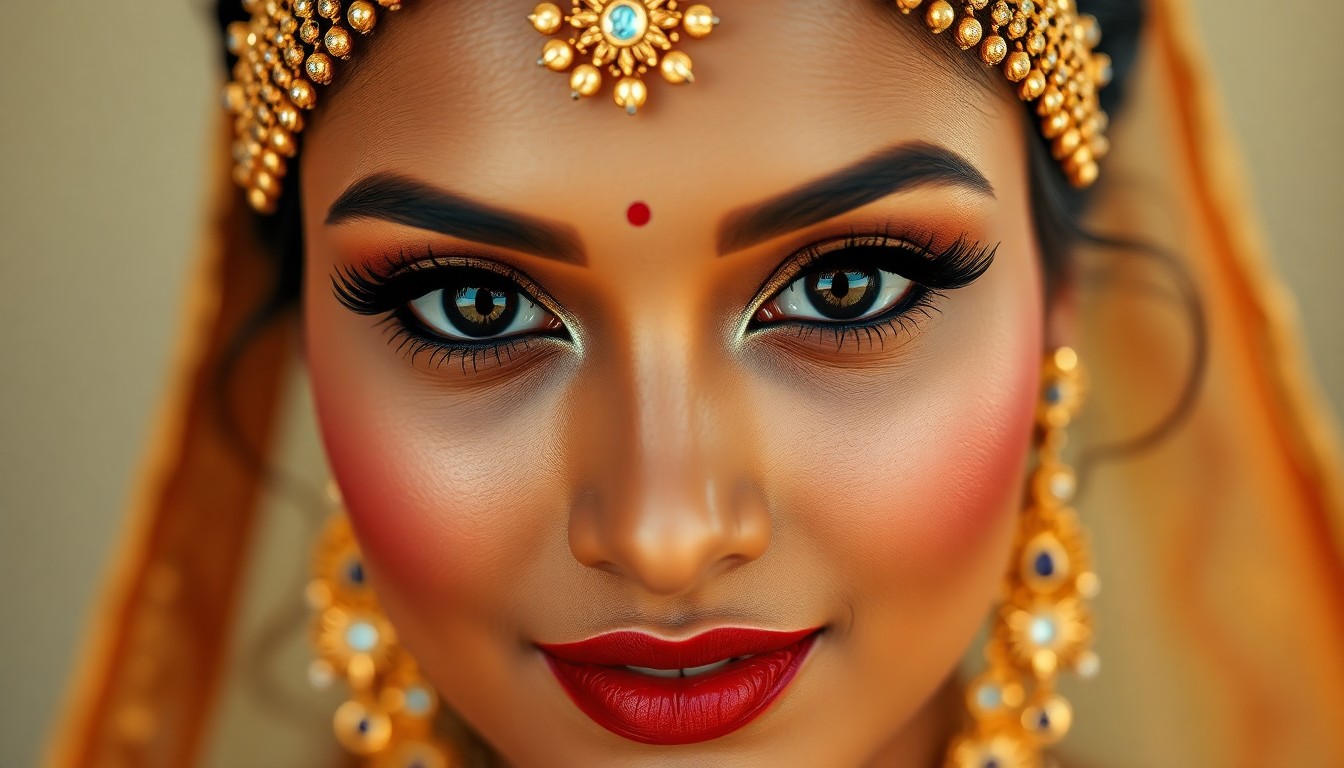
A Tamil bridal makeup artist in Bangalore is a professional who specializes in traditional South Indian bridal looks, blending cultural techniques with modern products. It matters because Tamil weddings demand specific rituals, long-lasting makeup, and skin tone expertise that general makeup artists often lack.
Let me be direct with you. I have spent 17 years in this industry. I have trained over 900 students and worked on more than 1000 brides. The number one mistake I see is people jumping into this field without understanding the weight of it.
Tamil bridal makeup is not the same as party makeup or fashion makeup. A Tamil bride sits for hours. Her makeup must survive humidity, tears, oil from her hair, and constant touching by family members. The products you use must be waterproof, sweat-proof, and transfer-proof. This is not optional.
You also need to understand Tamil wedding rituals. The nalangu (haldi ceremony), the kashi yatra, and the muhurtham all have different lighting conditions and time constraints. A good Tamil bridal makeup artist in Bangalore knows these rituals inside out.
Based on student outcomes at our studio, those who learn exclusively from YouTube tutorials take 6 to 8 months longer to land their first paid bridal client compared to those who get hands-on studio training. The difference is practice on real faces with real feedback.
Building a strong foundation means mastering the basics before you move to advanced techniques. This is where most beginners fail. They want to do cut creases and winged liner before they can match foundation properly.
Skin preparation is everything. A Tamil bride has skin that ranges from fair to deep brown. You must know how to prep each skin type without causing breakouts or allergic reactions. This means understanding skin tones, undertones, and skin types at a deeper level than what you read on Instagram.
Color theory is non-negotiable. You need to know which base shades neutralize redness, which concealers correct darkness, and how to mix foundations when the exact shade does not exist. The best Tamil bridal makeup artists in Bangalore keep a palette of mixers, not just bottles.
Product knowledge comes next. You do not need every high-end brand. But you must know which drugstore products perform better than luxury ones for specific skin types. For example, a silicone-based primer works well for oily skin but breaks down dry patches. This kind of knowledge comes from experience, not theory.
Stop practicing on yourself only. Your face has one skin type, one shape, and one set of features. You need to work on different faces. Ask friends, family, or offer free makeup for local events. The more faces you touch, the faster you learn.
Time yourself. A Tamil bridal look takes between 90 minutes to 2 hours for the face alone. If you take longer, you will stress the bride and miss deadlines. Practice with a timer from day one.
Take photos of every practice session. Review them honestly. Look for patchy foundation, uneven brows, or harsh contour lines. Then fix those mistakes in your next session. This cycle of practice, review, and correction is what separates amateurs from professionals at Makeup Studio by Suu.
The jump from beginner to professional is not about buying expensive brushes. It is about three specific skills that paying clients notice immediately.
First, flawless base application. A Tamil bride needs medium to full coverage that looks natural, not cakey. This requires perfect blending techniques for the foundation, concealer, and setting powder. If the base is wrong, nothing else matters.
Second, eye makeup for hooded and almond eyes. Most Tamil brides have almond-shaped eyes with hooded lids. Traditional techniques like tightlining, shadow placement above the crease, and false lash application must be adapted for these eye shapes. General YouTube tutorials often miss this nuance.
Third, setting and longevity techniques. A professional knows how to layer products so makeup lasts 12 to 14 hours. This means using the right setting sprays, powders, and touch-up strategies. A beginner sprays setting mist once and hopes for the best. A pro builds a system.
Industry data from our studio shows that artists who master these three skills book 70 percent more clients within their first year compared to those who focus on trendy techniques first.
This is the question I get most often. The short answer is: they are not the same. One teaches you information. The other teaches you skill. Here is the reality check.
YouTube is valuable for inspiration. But it cannot replace the muscle memory and confidence that comes from working on real faces with a mentor standing next to you.
A career as a Tamil bridal makeup artist in Bangalore follows a clear path. You do not need to guess your next step if you know the stages.
Stage 1: Assistant or apprentice. You assist an established artist for 3 to 6 months. You learn packing, timing, and client handling. You do not earn much, maybe Rs. 500 to Rs. 1,000 per booking. But you gain experience you cannot get anywhere else.
Stage 2: Freelance artist. After you build confidence, you start taking your own clients. At this stage, you charge Rs. 5,000 to Rs. 15,000 per bridal look. You build your portfolio and your reputation. Most artists stay here for 1 to 2 years.
Stage 3: Specialized expert. After 3 to 5 years, you become known for a specific style. Maybe you are the best at airbrush bridal makeup. Maybe you excel at traditional Tamil looks with heavy gold jewelry. This specialization lets you charge Rs. 25,000 to Rs. 50,000 per booking.
Stage 4: Educator or studio owner. This is where I am now. You train others, run a studio, and build a team. Your income becomes more stable and scalable. You are no longer trading time for money entirely.
If you want to skip the guesswork and move faster through these stages, contact Makeup Studio by Suu to discuss your specific situation.
This is the question that stops most artists from moving forward. You are ready when you have three things: proof, confidence, and a system.
Proof. You need a portfolio of 10 to 15 completed looks. These should show different face shapes, skin tones, and bridal styles. Do not include your early practice work. Only show work you are proud of today.
Confidence. You should be able to answer a bride’s questions without hesitation. What products do you use? How long does the makeup last? Can you do her mother’s makeup too? If these questions make you nervous, you need more practice.
A system. You need a pre-booking checklist, a consultation form, a product list, and a payment policy. This is not complicated, but most beginners skip it. When you have these basics ready, you are no longer an amateur.
Prices range from Rs. 10,000 to Rs. 50,000 depending on experience and services included. A beginner freelance artist charges around Rs. 10,000 to Rs. 15,000. An experienced studio artist with 5+ years charges Rs. 25,000 to Rs. 40,000. Premium artists charge Rs. 50,000 or more for complete bridal packages including trial and draping.
Most professionals use a mix of high-end and drugstore products. Brands like Huda Beauty, MAC, Charlotte Tilbury, and Bobbi Brown are common for base products. For setting, Ben Nye and Kryolan are preferred for their long wear. The key is not the brand but knowing which formula works for each skin type.
A full Tamil bridal look takes 90 minutes to 2 hours for the face alone. This includes skin prep, foundation, concealer, eyes, brows, contour, blush, lips, and setting. Add another 30 to 45 minutes for draping the saree and jewelry placement. Always schedule at least 2.5 hours for the complete service.
No, you do not need a formal degree. But you do need structured training. Clients trust artists who have completed a certified course from a recognized studio more than self-taught artists. A diploma from a studio like Makeup Studio by Suu with 900+ trained students carries weight in the industry.
You can learn theory online. But you cannot master bridal makeup without hands-on practice. The feel of a brush against real skin, the way a foundation blends differently on different skin types, and the confidence of working under time pressure come only from in-person training. Online courses work best as a supplement to studio training.
Airbrush makeup uses a spray gun to apply foundation in a fine mist. It gives a very light, natural finish that lasts longer. Regular makeup uses brushes and sponges for application. Airbrush is better for brides with oily skin or those who want a very lightweight feel. Regular makeup offers more coverage and is easier to correct if mistakes happen.
Look at their portfolio for consistent quality across different skin tones. Read reviews from past brides. Ask if they offer a trial session. A good artist will be happy to do a trial before your wedding day. Check their experience specifically with Tamil weddings, not just general bridal work.
I have spent 17 years perfecting this craft. I have trained 900+ students who now work across Bangalore, Chennai, and beyond. You do not have to figure this out alone. Let me guide you step by step from beginner to paid professional.
📞 +91 9590666333
Written by Suu
Founder, Makeup Studio by Suu | Professional Makeup Artist & Beauty Educator | 17 years of industry experience | Trained 900+ students and worked on 1000+ brides across Bangalore.


© 2026 Makeup Studio By Suu All Rights Reserved.
Developed & Marketed By  Seeknext


