Last Updated: May 17, 2026
✨ Quick Answer:
A professional makeup artist course in Bangalore should offer comprehensive hands-on training, experienced instructors, a strong focus on practical skills, up-to-date curriculum, portfolio building, and clear career guidance. Look for a studio that emphasizes hygiene, client communication, and diverse makeup styles, preparing you for real-world client demands and building a confident start to your career.
Hello there, future makeup artists! Suu here. With 17 years in this beautiful, vibrant industry, I’ve seen countless students walk through our doors. Many start with big dreams, a little nervous, and unsure where to begin. That’s perfectly normal.
I’ve had the privilege of training over 900 students and making 1000+ brides feel their most radiant. My goal today is to share what truly matters when picking a pro makeup artist course in Bangalore. Think of me as your coach, guiding you through the first exciting steps of your journey.
Starting a career as a professional makeup artist is exciting. It’s also demanding. Many students come in thinking it’s all glamour and glitter. While there’s plenty of that, it’s also about hard work, continuous learning, and client management.
The first thing you need is passion, but passion needs direction. A quality makeup artist course in Bangalore should provide that. It’s not just about learning techniques. It’s about understanding people, skin types, lighting, and even the psychology behind making someone feel beautiful.
Be ready to practice, fail, and try again. No one becomes an expert overnight. I tell my students, “Your brush is an extension of your hand, and precision comes with repetition.” Industry observation shows that students with robust practical experience are 30% more likely to secure their first client within three months of graduation.
You’ll spend hours on theory, then more hours on practical application. This isn’t just about makeup; it’s about building a business, a brand, and a reputation. Choose a course that offers an honest perspective on what it takes to succeed.
Your course should prepare you for the real world, not just for a certificate. This includes client interaction, managing expectations, and even handling unexpected situations. It’s a rewarding path, but it needs dedication from day one.
A strong foundation is everything in makeup artistry. You can’t build a beautiful home on shaky ground. It’s the same with your skills. Starting right means you build confidence and precision from the get-go.
The absolute basics are often overlooked but are truly vital. First, hygiene and sanitation. This isn’t glamorous, but it’s non-negotiable for client safety and your professional reputation. Every brush, every product, every step must be clean.
Next comes skin preparation. Makeup sits on skin. Understanding different skin types – oily, dry, combination, sensitive – and how to prep each one correctly makes all the difference. Around 60% of aspiring makeup artists initially underestimate the importance of hygiene and skin prep, a foundational skill.
Color theory is another cornerstone. It’s not just about picking pretty colors. It’s about understanding undertones, complementary colors, and how light interacts with shades. This knowledge lets you correct, enhance, and create harmony.
Face anatomy and contouring principles follow. Learning where light naturally hits and where shadows fall helps you sculpt and define faces, not just paint them. This requires an eye for detail and consistent practice.
A good pro makeup artist course Bangalore offers in-depth instruction on these fundamentals. It should lay a solid base before moving to advanced techniques. Without these basics, even the most elaborate looks will fall flat.
Practice isn’t just about doing makeup; it’s about doing it mindfully. First, practice on diverse faces. Mannequin heads are great for brush control, but real faces offer varied skin textures, bone structures, and expressions. This makes your skills versatile.
Seek feedback relentlessly. A good instructor will give you constructive criticism. At Makeup Studio by Suu, we encourage this. It helps you see your blind spots and improve faster. Don’t be afraid to ask, “What could be better?”
Time yourself. In the real world, you have deadlines, especially with brides. Learning to work efficiently without compromising quality is key. Start slow, then gradually speed up as your muscle memory develops.
Document your work. Take before-and-after photos. This helps you track progress and builds your early portfolio. It’s also a powerful tool to showcase your skill to potential clients later on. For truly comprehensive makeup programs, visit our studio.
Once you’ve mastered the basics, it’s time to build on them. The journey from a beginner to a truly professional makeup artist involves a few key leaps. It’s about refining your art and broadening your capabilities.
First, precision and blending. A professional’s makeup looks seamless, never harsh. This takes countless hours of practice with various brushes and product textures. Your blending should be flawless, whether it’s eyeshadow or foundation.
Then comes understanding different makeup styles. Bridal makeup requires specific techniques for longevity and photography. Fashion makeup can be more experimental. Party makeup needs to stand out. A top pro makeup artist course Bangalore will cover these diverse styles.
Client communication and consultation skills are next. You need to listen actively to what your client wants, offer expert advice, and manage their expectations. This builds trust and ensures satisfaction, turning a one-time client into a loyal one.
Troubleshooting on the spot is also crucial. What if a client has an unexpected skin reaction? What if the lighting changes? Being able to adapt and solve problems calmly shows true professionalism. This comes from experience and solid training.
Finally, product knowledge. Knowing your tools and products inside out means you can recommend the best options for different clients and situations. This includes understanding ingredients, finishes, and staying updated with new innovations.
Many aspiring artists start their journey on YouTube. It’s a fantastic resource for inspiration and basic tips. However, there’s a significant difference between watching a video and getting hands-on, personalized instruction in a studio setting. I often see students struggle with techniques they thought they understood, simply because they lacked direct feedback.
Studio training offers real-time correction, access to professional tools, and a structured curriculum. It provides a safe space to make mistakes and learn from them under expert supervision. This environment is critical for truly honing your craft and building confidence.
The beauty industry offers many exciting avenues for a professional makeup artist. It’s not just one single path. Your career can evolve as you gain experience and discover your niche. I’ve seen students start in one area and find their true calling in another.
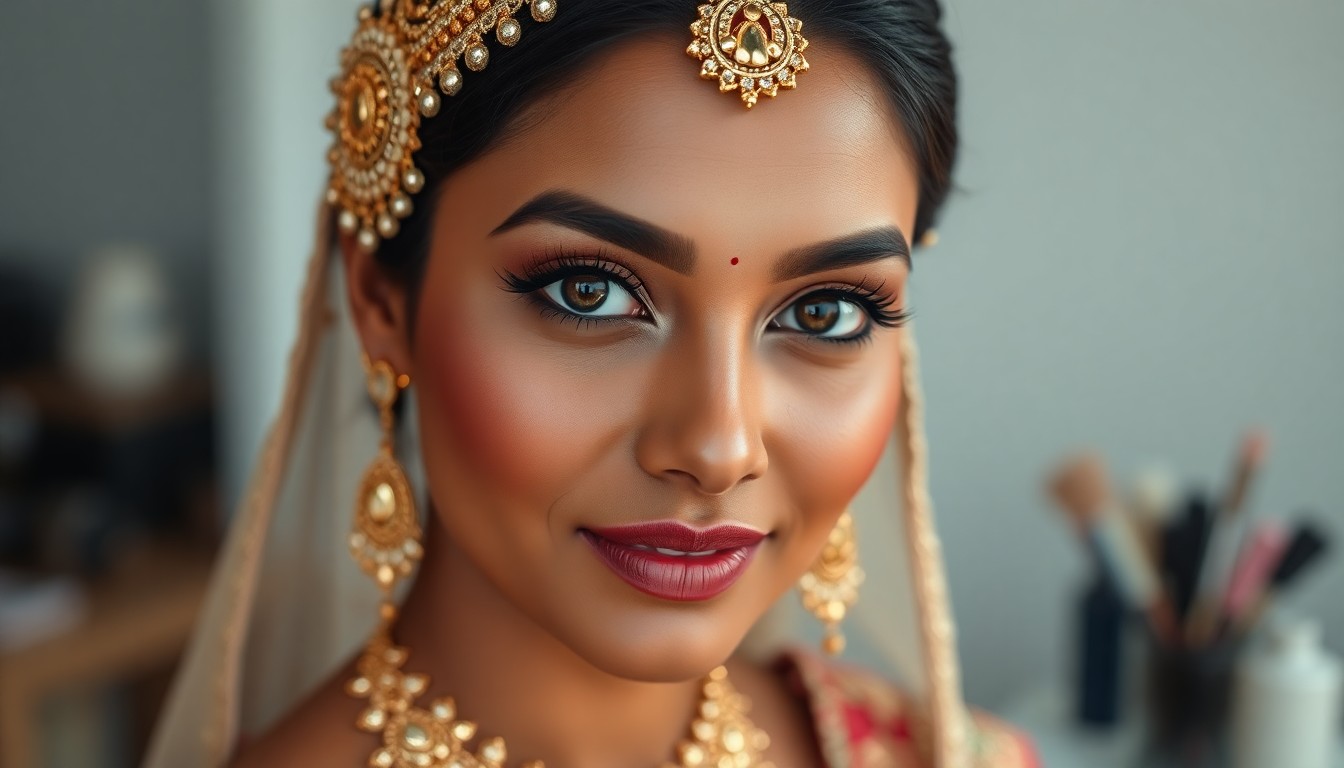
Most start with freelance work, perhaps focusing on bridal or event makeup. Bangalore, with its bustling event scene, offers a lot of opportunities here. Bridal makeup artists, for instance, are always in high demand. Having worked on 1000+ brides, I can tell you it’s a deeply satisfying specialization.
As you gain experience, you might specialize further. Some go into fashion and editorial work, collaborating with photographers and designers. Others find their passion in film, TV, or theater, creating intricate character looks. There’s also the option of working in beauty salons or becoming a beauty educator yourself. I myself have trained over 900 students in my 17 years in the field.
Earning potential varies greatly. Beginners might start with modest rates, building their portfolio. Experienced artists with a strong reputation and unique skills can command premium prices. Based on student outcomes at our studio, those who master client communication and business basics see an average of 20% higher earning potential in their first year.
Growth opportunities are endless. You can open your own studio, become a brand ambassador, or travel for destination weddings. Continuous learning is vital. The industry is always changing, with new trends and products. Staying updated keeps your skills relevant and your career thriving. To start your makeup career, explore our training options.
The question of “Am I ready?” is one I hear often. It’s natural to feel a mix of excitement and nerves. There are clear indicators that tell you it’s time to confidently take on your first client.
First, your skills should be consistent. Can you achieve the same quality look multiple times? Can you work efficiently? Do you feel comfortable with various skin types and tones? Consistency builds reliability, which clients value greatly.
Next, you should have a solid portfolio. This isn’t just a collection of pictures. It’s a curated display of your best work, showcasing your range and style. Include diverse looks, models, and lighting conditions. Your portfolio speaks volumes before you even say a word.
Confidence in your consultation process is also key. Can you ask the right questions? Can you understand a client’s vision and translate it into a makeup look? Can you offer professional advice gracefully? This interaction sets the tone for the entire experience.
Finally, a genuine readiness often comes from within. You’ll feel a shift. The fear of making mistakes will lessen, replaced by an eagerness to create and serve. When you trust your training and your hands, you’re ready.
Course durations vary based on the depth and specialization. Basic courses might be a few weeks, while comprehensive professional programs can range from 2 to 6 months. It depends on whether you’re learning foundational skills or aiming for advanced bridal or fashion makeup expertise.
The cost can range widely, from INR 30,000 for basic courses to INR 1,50,000 or more for advanced professional certifications. Factors influencing cost include course duration, instructor experience, brand of products used for training, and portfolio creation opportunities. Always compare what’s included in the fee.
Many professional courses provide a starter kit, while others require you to purchase your own. It’s essential to clarify this before enrolling. A good course will often guide you on building a professional kit with quality, essential products without unnecessary expenses.
Graduates can pursue careers as freelance makeup artists for events and weddings, work in salons or spas, join the fashion and editorial industry, or work in film and television. Some also become beauty content creators or even instructors themselves. The industry offers diverse paths for skilled artists.
A strong, diverse portfolio is absolutely critical. It’s your visual resume, showcasing your skills, style, and versatility to potential clients. Ensure your portfolio includes high-quality photos of various looks, skin tones, and occasions. A well-built portfolio helps you stand out in the competitive Bangalore market.
Absolutely! We encourage you to reach out with any questions you have about starting your makeup career. Understanding your goals helps us guide you to the right course. Don’t hesitate to connect with our team to discuss your aspirations and find the perfect fit for your professional makeup artistry training. We are here to help.
You can explore our full range of courses directly on our website. We offer various programs tailored for different skill levels and career goals, from foundational makeup artistry to advanced bridal and specialized techniques. Each course is designed to provide hands-on experience and a robust curriculum to prepare you for success.
Don’t just dream about a career in makeup. Take the concrete steps needed to build it. At Makeup Studio by Suu, we’re dedicated to helping you master the art and business of makeup. Let’s create your success story together.
📞 +91 9590666333
Written by Suu
Founder, Makeup Studio by Suu | Professional Makeup Artist & Beauty Educator | 17 years of industry experience | Trained 900+ students and worked on 1000+ brides across Bangalore.


© 2026 Makeup Studio By Suu All Rights Reserved.
Developed & Marketed By  Seeknext


