Last updated October 26, 2026
I am writing this between two appointments, sitting at the small desk near the mirror in my Frazer Town studio. The 2pm bride’s mother left ten minutes ago, the kit is half open, and my chai has gone cold. This is the only quiet hour I get today, so I am using it to answer a question I hear almost every week from people who call about the course: after the training, what happens to your students?
It is a fair question. Most makeup courses in this city will show you certificates and classroom photos. I would rather tell you about the people. So here are some of them, and where they went.
Almost nobody’s first paid client comes from Instagram. It comes from a cousin’s engagement, a neighbour’s daughter’s reception, a colleague’s sister who needs someone at 5am. Someone in the student’s own circle is getting married, and they ask, half nervous, half hopeful, and the student says yes before checking whether they are ready.
That first booking is the real graduation. Not the certificate. The first time money changes hands and a family is looking at you while you work. I tell every batch this on day one, and most of them do not believe me until it happens.
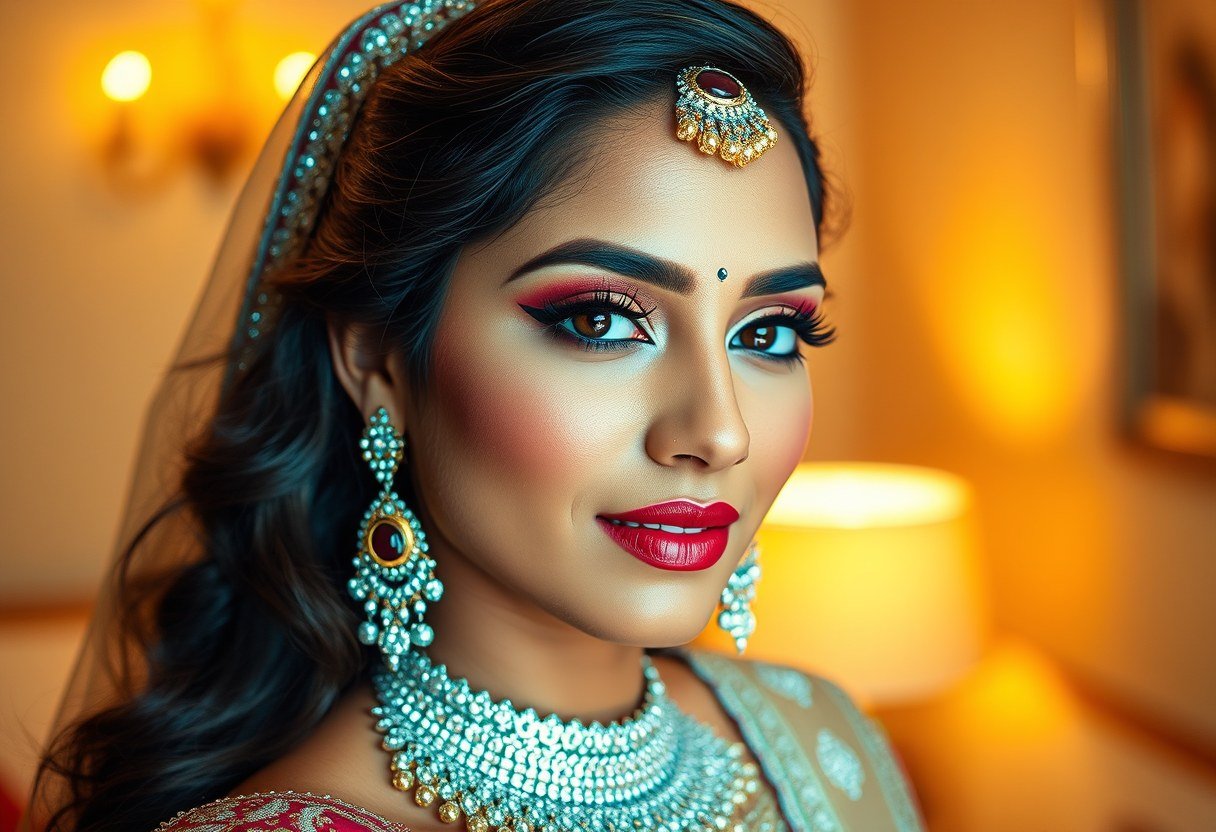
Honestly, this is also where the work as a photoshoot makeup artist Bangalore-side starts for many of them. A pre-wedding shoot, a maternity shoot, an engagement portrait. Small bookings, daytime, reasonable money, and a lot of learning about light and camera angles that a classroom cannot fully teach.
They are not the most talented in the room. That is the thing that surprises people. The students who build something steady share a few habits.
They practice on real faces. Family, friends, the maid, the neighbour’s daughter. They do not spend six months only on the practice head. They also say yes to small, badly paid jobs early on because the experience is worth more than the fee. And they ask questions without embarrassment, which sounds small but is not. The ones who stay quiet in class because they are afraid of looking silly are usually the ones who struggle later.
Most people skip this, but the ones who succeed also learn to say no. No to a booking they are not ready for. No to a client who wants something unrealistic. That kind of restraint comes with time.
A homemaker from Koramangala joined one of my batches at 41. She told me on the first day she was probably too old for this. She had raised two children and had not worked outside the home in years. I did not argue with her. I just told her to come for the next class.
She finished the course. She started with family weddings, then a friend’s daughter, then a referral, then another. Now she takes weekend bookings and turns work away. She has stopped being surprised when the phone rings.
People over 35 bring something younger students often lack. They are patient with nervous brides. They handle a crying mother and a late photographer without losing their temper. Clients notice that. I am biased, I run a studio, but I think the older students are often the steadiest ones in the room.
One student spent her first two weeks terrified of winged liner. Two weeks of shaky lines and wiping it off. By week six she was doing it on brides without a stencil, and she later told me the fear only went away because she was forced to keep trying in front of people. She now works mostly on photoshoots and pre-wedding assignments.
Another went straight into bridal work. She was always going to. She was calm under pressure from the first day, and bridal is largely that, staying calm while seven people ask you questions at once. She handles the 3am wake-ups better than I do.
The third did not go professional at all. She took the course because she wanted to do her own makeup well for her sister’s wedding. That is a perfectly good outcome and I wish more people admitted it. Not every student needs a business.
You do not need paid clients to build a portfolio. You need faces, a camera phone, and decent daylight. Most of my students shoot their first portfolio images on weekend mornings on a terrace or near a window, with a friend or a cousin sitting patiently while they redo the liner three times.
A tip I give every batch: shoot the same face in two styles. South Indian bridal work in Bangalore leans towards defined brows and warm tones. North Indian brides here usually ask for something cooler, more mauve, more muted. If your portfolio shows you can do both, you get called for both.
And learn the local rhythm. Most Bangalore weddings have a 6am to 9am muhurtham window. Bridal work here means being awake at 3am, on the road by 3:30, and finishing before the sun gets harsh. The photoshoot assignments are gentler on the clock, which is why many students start there.
This career is physically harder than it looks. Long hours standing, early mornings, carrying a heavy kit up stairs, working through a cold or a headache because a bride cannot reschedule. The income is not steady at the start either. Some months are full, some are quiet, and there is no salary at the end of it.
I say this because I would rather you hear it from me now than discover it in month four. The course teaches you technique and the basics of client work. It does not make the early months easy. Nothing does.
No. Most students arrive knowing how to do their own face and nothing more. We start from base and build up. If you can hold a brush and take feedback, you are fine.
With my students, most take their first small paid booking within a few months of finishing. It depends on how much you practice between classes. Some wait longer, and that is fine too.
Yes, and this is a big part of why people come to us. Photoshoot makeup artist Bangalore work has its own demands, camera-friendly finishes, touch-up discipline, working with a photographer’s lighting. We cover it properly, not as an afterthought.
Come see the studio before you decide
Sit with me, ask your questions, look at the kit. I would rather you join knowing exactly what the course is.
+91 9590666333
If you have read this far and something is still unclear, just ask. No form, no counselling session. Send a message on WhatsApp at the number above and I will reply between clients, probably with cold chai beside me. You can also read more about the studio and its courses before you reach out.
Nine hundred plus students have sat in that chair opposite my mirror over the years. Some are now busy, some are quiet, some stopped. All of them learned to hold a brush properly. That part I can promise.
Written by Suu at the Frazer Town studio, in the gap between a bride’s mother and my next appointment.


© 2026 Makeup Studio By Suu All Rights Reserved.
Developed & Marketed By  Seeknext


